The Quiet Millionaires: How Solo Developers Are Beating VC-Backed Software Giants at Their Own Game

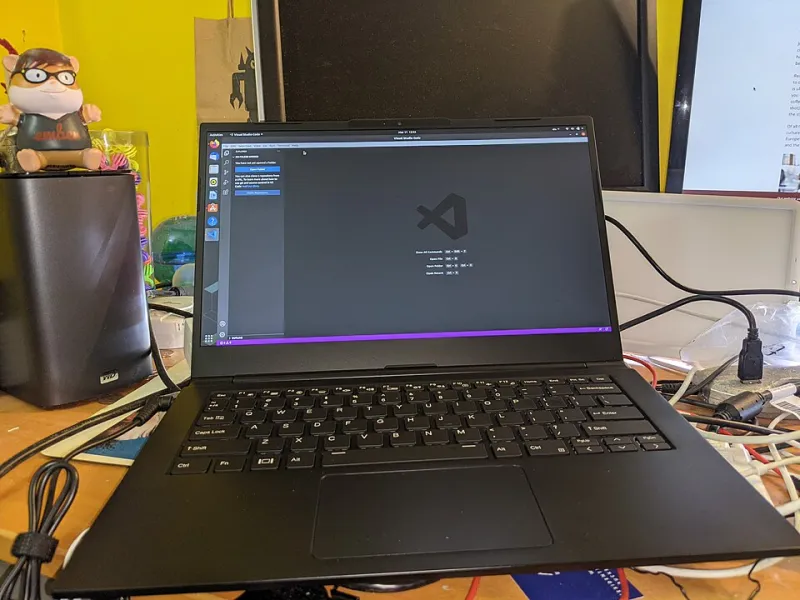
Photo: Grafiknz, CC BY-SA 4.0, via Wikimedia Commons
Somewhere in Ohio, a single developer is earning seven figures a year from a screenshot tool. In the Netherlands, one person maintains a Mac utility that outsells products built by teams of fifty. Nobody's writing headlines about these folks, but the indie software economy is very real — and it's quietly reshaping what a software company looks like.
The New Math of One
The stereotype of the indie developer scraping by on ad revenue is about a decade out of date. Today's solo software makers run lean, profitable businesses serving niches that are too small for big companies but plenty big for one person.
Consider the economics. A SaaS product charging $15/month needs roughly 5,500 subscribers to hit a million dollars in annual revenue. That's a rounding error to Salesforce, but for one person with no payroll, no office lease, and no investor demands? It's a genuinely great living.
The distribution channels changed too. A well-optimized landing page, a listing on a marketplace, and a genuinely useful product can reach millions of potential customers without a sales team. Browser extension stores, Mac App Store, WordPress plugin directories — these are the new storefronts, and they don't care how many people you employ.
Why Small Often Means Better
Here's what surprises people who switch from big-brand software to indie tools: the support is usually better. When you email the developer of a one-person product, you're often emailing the person who wrote the code. Bug reports get answered in hours, not routed through a ticketing system in another hemisphere.
There's also an alignment thing. An indie developer's incentive is simple: keep customers happy enough to keep paying. There's no quarterly earnings call pressuring them to stuff the product with upsells, add an AI chatbot nobody asked for, or monetize your data. Plenty of successful indie tools are buy-once apps — pay $30, own it forever — a pricing model that vanished from the big software world years ago.
And the track record? Some of the most beloved software of the last two decades came from tiny teams or single founders. The tools people actually recommend to friends often aren't the ones with Super Bowl ads.
The Indie Playbook
What do these solo successes have in common? A few patterns show up again and again:
- They solve one problem completely. Big software tries to be a platform. Indie tools do one thing — convert a file, track a habit, clean up a photo — and do it so well you'd never switch.
- They pick boring niches. Invoice templates for freelance photographers. Compliance checklists for home inspectors. Unsexy, underserved, and willing to pay.
- They charge real prices. Counterintuitively, indie devs who price their work properly (not $2.99) attract better customers and can afford to keep improving the product.
- They own their distribution. A mailing list of 10,000 genuine fans beats a million app store impressions every time.
What This Means for You
As a consumer, you benefit from this ecosystem more than you might realize. Competition from indie tools keeps big companies honest — every time a solo dev offers a clean, $40 one-time-purchase alternative to a $120/year subscription, the pricing pressure ripples outward.
Supporting small software shops also carries a little risk worth acknowledging. If a solo developer decides to move on, the product might too. The mitigation is simple: favor indie tools that offer data export, check whether the developer has a track record, and don't build critical business workflows on a tool someone maintains as a side project.
The next time an app impresses you, check the About page. There's a decent chance it was built by one person who decided that a big company didn't need to exist to solve your problem. That's not a limitation of the software industry — increasingly, it's its most interesting corner.