Fed Up and Forking: How Developers Are Walking Away From Big Software to Build Something Better
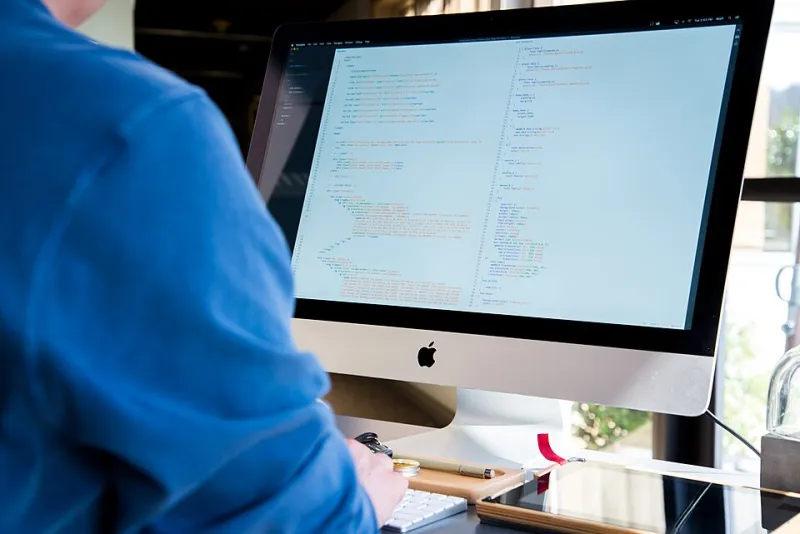
Photo: Lee Campbell leecampbell, CC0, via Wikimedia Commons
The Breaking Point Nobody Talks About
There's a moment a lot of developers know well. You open a tool you've used for years, and something's different — a feature got buried in a new menu, a pricing tier quietly changed, or the interface now loads like it's running on a server farm powered by molasses. You sigh, close the app, and wonder if there's something better out there.
For a growing number of developers across the US, that moment stopped being a passive complaint and turned into a project. They started building their own tools. And increasingly, those tools are finding real audiences.
This isn't some fringe rebellion. It's a measurable shift in how developers relate to the software ecosystem — and it says a lot about where the industry is headed.
What's Actually Pushing People Out the Door
Ask any developer who's gone the DIY route and you'll hear the same handful of frustrations come up again and again.
Bloat is probably the biggest one. Software that started out fast and focused has a tendency to accumulate features like a garage accumulates junk. What was once a snappy text editor or a clean project manager becomes a slow, cluttered platform trying to be everything to everyone. Electron-based apps eating 400MB of RAM for tasks that used to run on far less have become a running joke in developer circles — except nobody's actually laughing.
Pricing pivots are another major trigger. Subscription creep hit the developer tooling space hard over the past few years. Tools that used to offer generous free tiers or one-time licenses quietly shifted to monthly billing, often without delivering meaningful new value to justify it. When a solo developer or small team is suddenly paying $30–$50/month for a tool that does one thing, the math starts looking a lot different.
Update fatigue rounds out the trifecta. Major platforms push updates on their own schedules, sometimes breaking integrations, changing keyboard shortcuts, or redesigning UIs in ways that genuinely disrupt established workflows. For developers with highly specific needs, waiting on a vendor's roadmap — or filing feature requests into what feels like a void — becomes untenable.
The Indie Tools Quietly Eating Market Share
This frustration has been remarkably productive. Some of the most interesting software emerging right now isn't coming from venture-backed startups or enterprise vendors. It's coming from individual developers and tiny teams who scratched their own itch and then shared the result.
Take the note-taking and knowledge management space. Obsidian, built by a two-person team, has become a genuine phenomenon among developers, writers, and researchers who wanted a local-first, extensible alternative to cloud-heavy options like Notion. It doesn't try to do everything — it does a specific set of things extremely well, and its plugin ecosystem fills the gaps.
Or look at what happened in the terminal emulator space. Tools like Warp and Alacritty emerged because developers were tired of terminals that hadn't meaningfully evolved in years. These aren't hobbyist projects anymore — they have active user bases, community contributors, and real staying power.
Even in the project management category, tools like Linear have carved out serious ground by betting on speed and intentional design over feature sprawl. The pitch isn't "we do everything Jira does" — it's "we do the important stuff and we do it without making you want to throw your laptop."
Is This Just a Niche Thing?
Fair question. Developer Twitter (or whatever we're calling it now) tends to amplify trends that don't always reflect what's happening in the broader market. It's worth asking whether the indie tool movement is a real shift or just a loud corner of the internet.
Here's the honest answer: it's both, and that's okay.
The developers most likely to build or adopt custom tools are, by definition, technical users who have the skills and tolerance to work with software that might be rougher around the edges. That limits the ceiling for some of these projects. A solo-built CLI tool for managing API tokens isn't going to replace Postman at a Fortune 500 company anytime soon.
But the influence of this movement extends beyond its direct users. When indie tools gain traction, established platforms notice. Competition — even from small players — creates pressure to improve. Some of the best updates to major platforms over the past few years have come in direct response to nimble alternatives gaining ground.
There's also a sustainability question worth taking seriously. Open-source projects and indie tools run on a combination of passion, donations, and sometimes a paid tier or sponsorship model. That works until it doesn't. Burnout is real. Maintainers move on. Tools get abandoned. For teams considering adopting a smaller tool, the longevity question matters.
What This Means If You're Evaluating Software Right Now
If you're a developer, a small business owner, or anyone who lives in their tools, the indie software wave is worth paying attention to — but with clear eyes.
When you're shopping for software, it's worth asking a few things that don't always make it onto the feature comparison spreadsheet: How has this tool's pricing changed over the past two years? Does the update history show genuine improvements or mostly cosmetic churn? Is there a community around it, and does that community seem healthy?
Smaller tools built by developers who actually use them often have a clarity of purpose that larger platforms lose over time. They're not trying to win a board meeting — they're trying to solve a problem. That's a meaningful difference.
At the same time, stability matters. The best software for your workflow is the one that'll still be there — and still work the same way — six months from now.
The Bigger Picture
The developer exodus from major platforms isn't really about any single app or company. It's a signal that users are getting more sophisticated about what they expect from software — and less willing to accept bloat, arbitrary pricing changes, or update cycles that serve the vendor more than the user.
Whether this trend levels off or keeps accelerating probably depends on how the big players respond. If they start listening better, moving faster, and treating their users like partners instead of metrics, some of the pressure will ease. If they keep chasing enterprise deals and leaving individual developers behind, the DIY movement will keep growing.
Either way, the software landscape is richer for it. More options, more experimentation, more accountability — that's a good thing for anyone who depends on these tools to get real work done.
And honestly? The fact that frustrated developers are responding by building rather than just complaining is kind of inspiring.